The Polaroid 660 instant camera holds a distinct place in the landscape of vintage photography, offering a nostalgic yet functional experience for enthusiasts today. With its retro camera design and innovative features, this classic device redefined instant film photography in the early 1980s. Even in 2026, the Polaroid 660 continues to captivate collectors and photographers looking to enjoy the inherently tactile magic of instant prints. Its unique blend of simplicity and advanced technology, like the patented Sonar Autofocus, makes it far more than just a relic; it is a working symbol of the analog photo era.
Brief overview of key points:
- The Polaroid 660 is a vintage instant camera from the 600-series, known for its unique Sonar Autofocus technology.
- Features include a 116mm plastic lens, electronic shutter, built-in automatic flash, and an exposure correction slider.
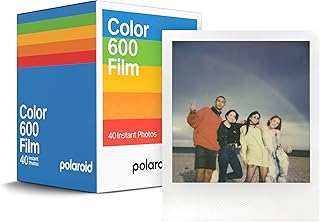
- The camera uses Polaroid 600 film packs which contain the battery, making it reliable and straightforward to use even decades later.
- Its design reflects 1980s aesthetics, appealing strongly to collectors and film photography fans today.
- The Polaroid 660’s ergonomics and camera features offer a seamless experience for capturing and holding instant photo souvenirs.


Exploring the Technical Excellence of the Polaroid 660 Instant Camera
The Polaroid 660 instant camera revolutionized analog instant photography when it was introduced in 1981. What sets it apart from many of its contemporaries is its pioneering use of Polaroid’s patented Sonar Autofocus system. Unlike standard fixed-focus cameras, this autofocus feature uses ultrasonic waves—emitting a sound tone and calculating the distance by measuring the echo. This technology works best when the subject is around 4 to 5 feet away, ensuring sharpness and clarity in your instant prints.
The camera’s lens consists of a 116mm single-element plastic design, paired with an electronic shutter that automatically adjusts shutter speed between 1/4 to 1/200 seconds depending on lighting conditions. This range allows for versatile shooting in various environments, from sunny outdoor settings to dim indoor rooms. While the integral auto flash activates automatically in low light, users cannot force it on or off, a design choice that simplifies operation but trades off some manual control.
One key camera feature that many photographers appreciate is the Light Management System. This intuitive exposure slider lets you darken or lighten the resulting photograph before taking the shot, offering more artistic control over instant photography’s typically fixed exposure. The Polaroid 660 also boasts convenience features such as a film counter and a tripod mount, making it a well-rounded camera for both casual and serious film photography enthusiasts. Its design and specs have earned it recognition, as detailed in resources like the Polaroid Autofocus 660 Wiki.
In the context of today’s revived interest in analog photography, the Polaroid 660 combines classic mechanical innovation with ease of use. The novelty of watching a photo develop instantly right after pressing the shutter offers an authentic photo instantané experience cherished by fans worldwide. As vintage models appear on auction sites and second-hand markets, their affordability and reliability keep interest alive. Many photographers, from hobbyists to collectors, regard this retro camera as essential gear for exploring analog aesthetics.
Unique Features and Design Aesthetic Making the Polaroid 660 a Vintage Icon
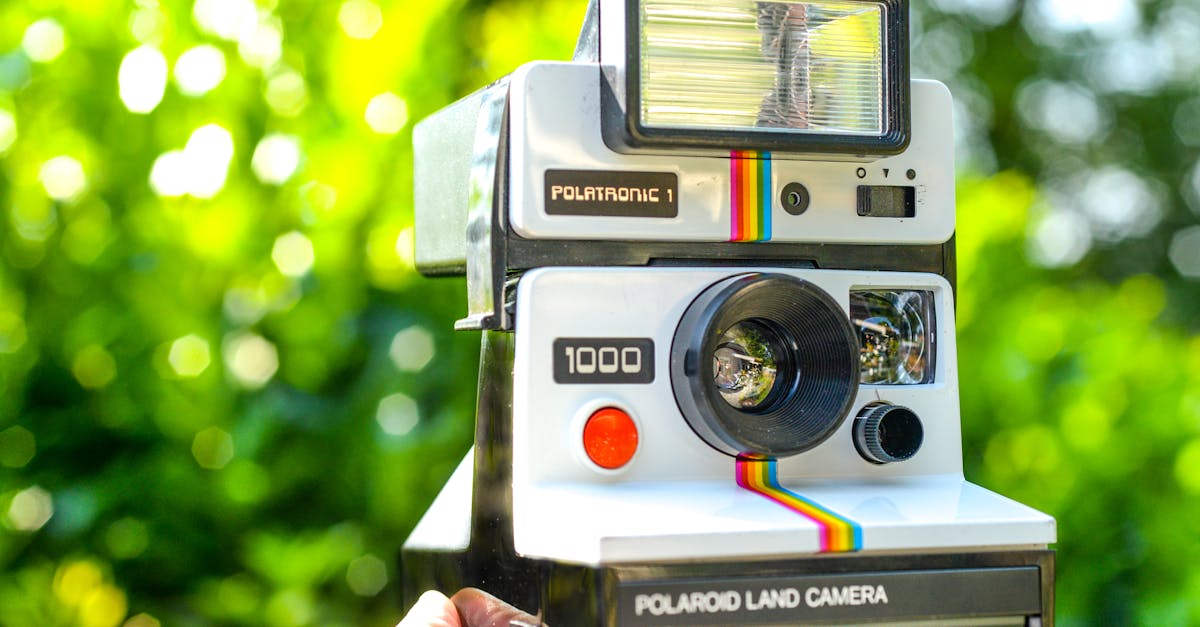
The Polaroid 660 isn’t just a camera; it’s a time capsule encapsulating 1980s design and functionality. Its square-bodied, solid black appearance is iconic, but it was also issued in various colors for different international and re-branded variants, adding to its collectability. This visual styling makes it a popular choice in the world of vintage photography, often featured in collections and museums such as the 99 Cameras Museum.
Beyond looks, the sonar autofocus technology radically improved instant photo quality. By automatically measuring the distance to the subject, it minimized the risk of out-of-focus shots—a common issue in earlier models that relied on fixed focus. This technical advancement helped users feel more confident about their instant film shots, especially in casual or on-the-fly shooting environments such as parties or outdoor events.
The camera’s flash functions as an integral part of lighting management, though it activates automatically without user override in many models. However, the exposure slider compensates efficiently, allowing manual adjustments to the overall darkness or lightness of photos. This combination strikes a balance between ease of use and creative expression, an attractive option for newcomers and seasoned instant film photographers alike.
The Polaroid 660’s user-friendly design extends to its battery system as well. Unlike many cameras that require separate batteries, this model draws power directly from the film pack, which contains its own battery. This feature makes finding replacements simpler — buying Polaroid 600 film cartridges means the camera is immediately ready to shoot. Such practical design choices continue to contribute to the Polaroid 660’s status as a dependable classic in today’s analog photography community.
You can dive deeper into its legacy and popular usage by reading detailed reviews and stories from fellow enthusiasts on sites like Shoot It With Film.
Mastering Film Photography: Using Polaroid 660 for Creative Instant Prints
For many photographers rediscovering the joy of analog, the Polaroid 660 offers a delightful blend of simplicity and opportunity for experimentation. Using it requires minimal technical know-how: load a pack of Polaroid 600 film, slide open the flash, and start shooting. The classic 640 ASA/ISO film, which is still widely produced, retains the distinctive Polaroid look—vibrant colors, soft focus, and a vintage feel unmatched by digital filters.
While shooting, understanding the camera’s exposure slider becomes essential for achieving creative results. By adjusting the lightening or darkening effects, photographers can tailor the final instant photo’s mood — enhancing shadow depth or brightening dour scenes. This tactile control brings a hands-on, playful element to the craft that digital cameras cannot replicate.
The inherent warmth and unpredictability of instant film encourage fun experimentation. Photographers have embraced the slightly imperfect character of the images produced by this camera as a creative feature rather than a flaw. Whether capturing candid moments, retro portraits, or unique still lifes, the Polaroid 660’s photo instantané output provides tangible, immediate memories that no screen can substitute.
The camera is especially recommended for outdoor photography where natural light complements its built-in flash and sonar system. Many users recommend keeping at least four feet distance between the subject and camera to optimize focus sharpness, which the autofocus system handles best around this range. For a deeper dive into tips and tricks for shooting with the Polaroid 660, film photography forums and guides such as those on Film Photography EU are invaluable resources.
Whether you are an analog veteran or a newcomer eager to dive into retro camera photography, the Polaroid 660 encourages a playful, creative approach while producing instantly gratifying results that perfectly bridge generations of photo lovers.
Where to Source and Restore the Polaroid 660 in 2026 Starting Your Secondhand Film Photography Journey
For anyone interested in exploring the Polaroid 660, acquiring and maintaining one in 2026 involves turning to trusted secondhand markets, vintage shops, and online auction platforms. Because these models have been out of production for decades, their availability can vary, but they remain surprisingly affordable. Websites specializing in vintage cameras, such as Casual Photophile’s review, offer guidance on recognizing authentic models and understanding their condition before purchase.
When buying used Polaroid 660 cameras, testing for the proper operation of sonar autofocus, flash, and shutter mechanisms is critical. Minor refurbishment can often restore older equipment to excellent working order, especially when combined with fresh Polaroid 600 film packs providing the coaching battery.
Restoration might include cleaning lens elements, replacing any worn plastics or seals, and ensuring buttons and sliders function smoothly. Helpful restoration guides and tutorials are increasingly common, reflecting the growing community of instant film photographers passionate about preserving these iconic cameras. Restored Polaroid 660 cameras, thanks to their timeless design and reliability, serve as cornerstones for those building a diverse vintage camera collection.
Furthermore, the retro camera scene in 2026 is flourishing with dedicated enthusiasts sharing experiences, tips, and videos online on platforms like YouTube. For an immersive introduction, the vintage camera enthusiast’s video presentation showcases the Polaroid 660’s features and operation.
This digital sharing enriches the secondhand buying experience, enabling photographers to make well-informed purchases and connect with like-minded vintage film fans worldwide.
Discover the unique features of the polaroid 660 camera
| Feature | Polaroid 660 | Polaroid Sun 660 | Polaroid Supercolor Elite |
|---|
Click column headers to sort the table.
Understanding the Cultural and Practical Appeal of the Polaroid 660 in Contemporary Photography
In a world saturated with digital images and endless storage options, the Polaroid 660’s enduring charm lies in its ability to deliver instant tangible memories. This instant film camera relays a photo instantané experience with immediate results that can be held, passed around, and cherished without requiring any digital processing or printing services.
Photographers, collectors, and everyday users prize the unpredictability and distinctive aesthetics of film photography that the Polaroid 660 reliably produces. Whether capturing a bustling street scene, a candid portrait, or a moment in nature, the unique characteristics imparted by the camera’s optics and instant film evoke a warmth and nostalgia digital cameras struggle to replicate.
Moreover, the Polaroid 660 fosters a mindful and deliberate approach to photography. With limited shots per film pack—only eight images today—it encourages thoughtfulness, an artistic rhythm, and appreciation over the instant gratification flood experienced in the digital realm. Many users cherish this slower creative process, likening it to a refreshing departure from the endless scroll of social media images.
The camera’s vintage design also speaks to contemporary fashion and lifestyle trends celebrating retro influences. Its presence in popular culture and film, often as a prop or symbol of 1980s life, continues to cement its status as an icon. For more on the camera’s cultural significance, visit Flavor 365’s detailed guide.
Ultimately, the Polaroid 660’s combination of tactile engagement, distinctive aesthetic, and historical importance keeps it highly relevant even decades after its debut, making it a must-have tool for both analog photographers and cultural archivists alike.
| Aspect | Detail |
|---|---|
| Camera Type | Instant Film Camera, 600-series |
| Lens Specification | 116mm f/11 single-element plastic lens |
| Autofocus System | Patented Sonar Autofocus for sharp focus at 4-5 feet |
| Shutter Speed Range | 1/4 to 1/200 seconds electronic shutter |
| Flash Type | Integral automatic flash with limited user control |
| Film Compatibility | Polaroid 600 instant film pack; includes battery |
| Exposure Control | Lighten/darken exposure correction slider |
| Release Year | 1981 |
Does the Polaroid 660 require separate batteries?
No, the Polaroid 660 uses battery packs built into the Polaroid 600 film cartridges, so no separate batteries are needed.
What type of film does the Polaroid 660 use?
It uses Polaroid 600 instant film packs, which are widely available and come in various formats including color and black & white.
How does the sonar autofocus work on the Polaroid 660?
The camera emits an ultrasonic tone that bounces off the subject and returns to a receiver, allowing it to measure distance and focus precisely.
Can you manually control the flash on the Polaroid 660?
The flash operates automatically in low light and cannot be manually turned on or off, though you can opt to override it in some models by pressing a small button behind the shutter release.
Are Polaroid 660 film packs still produced in 2026?
Yes, Polaroid 600 film packs are still being produced and sold, making it easy to keep this vintage camera functioning in 2026 and beyond.